Summary:Coffee Trader Launches Weather Insurance to Protect Vietnam’s Coffee Farmers **Introduction** Viet
 referrerpolicy="no-referrer"
style="max-width:100%;height:auto;display:block;margin:0 auto;">
Coffee Trader Launches Weather Insurance to Protect Vietnam’s Coffee Farmers
**Introduction**
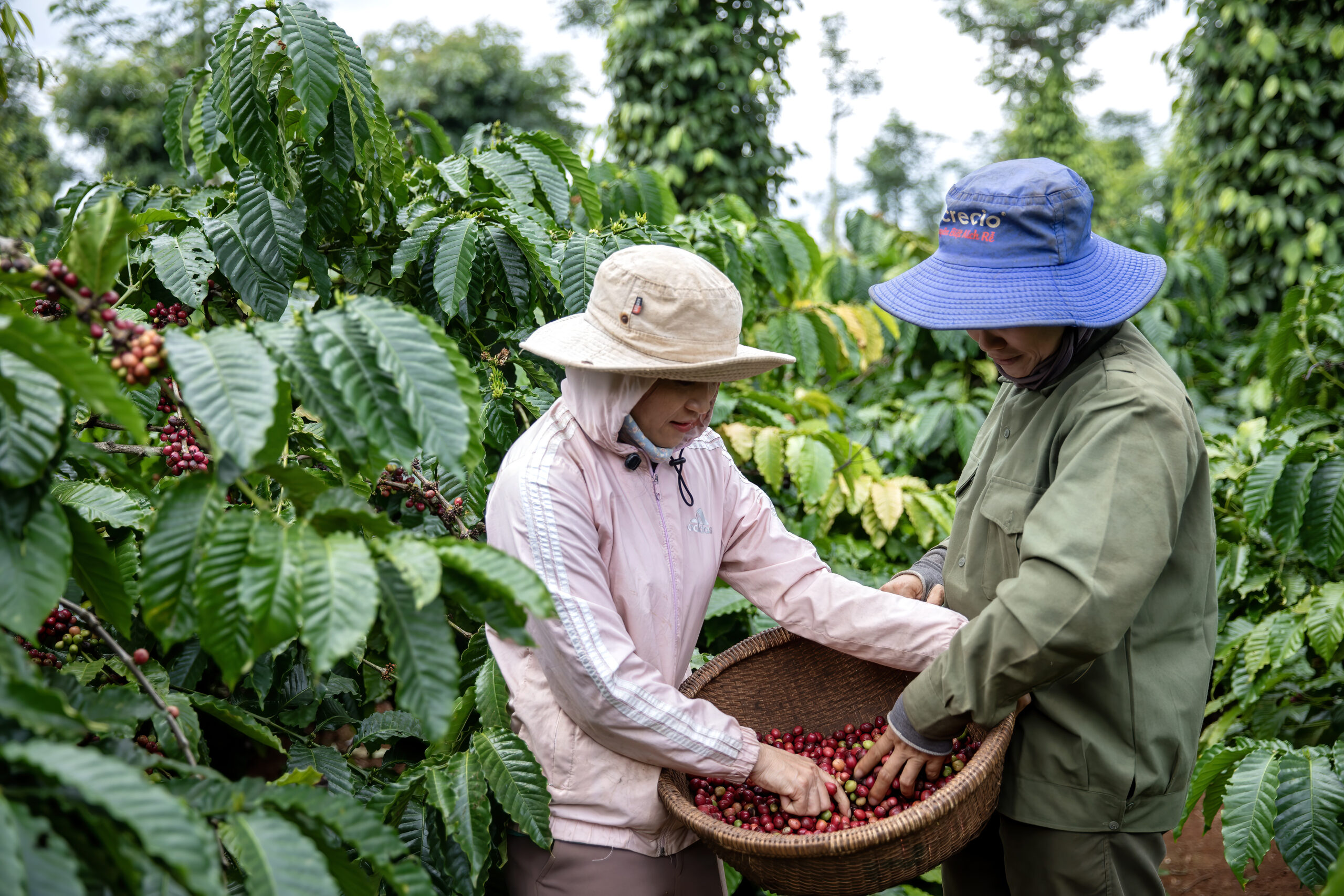
Vietnam’s coffee sector, which supplies roughly 20 % of the world’s robusta beans, faces mounting pressure from erratic weather patterns. Prolonged droughts, untimely rains, and rising temperatures threaten yields and the livelihoods of the country’s estimated 600 000 smallholder growers. In response, ECOM Agroindustrial Corp., one of the globe’s leading coffee traders, has expanded a specialty weather‑insurance program aimed at shielding these farmers from climate‑related losses.
**Key Developments**
ECOM announced this week that it intends to increase coverage from the current 12 000 policyholders to roughly 60 000 growers by the end of 2026—a fivefold rise. The product, developed in partnership with regional reinsurers and local agricultural cooperatives, pays out when rainfall deviates beyond predefined thresholds during critical growth stages (flowering, bean filling, and harvest). Premiums are subsidized through a blended finance model that combines trader contributions, government climate‑adaptation funds, and modest farmer co‑payments. Early pilot results from the Central Highlands showed a 30 % reduction in income volatility for participating farms, prompting the trader to scale the initiative nationwide.
**Industry Analysis**
Vietnam’s coffee output has fluctuated between 1.5 and 1.8 million tonnes annually over the past decade, with climate variability accounting for up to 40 % of that swing, according to the Vietnam Coffee and Cocoa Association. Traditional risk‑management tools—such as diversified cropping or informal savings—offer limited protection against systemic shocks. By contrast, index‑based weather insurance provides rapid, objective payouts that can be used to replant, purchase inputs, or cover household expenses. Experts note that scaling such products requires reliable meteorological data, transparent trigger mechanisms, and trust among farmers who may be wary of insurance concepts. ECOM’s approach, which leverages its extensive field network to validate weather stations and educate growers, addresses
